
The flute is one of the oldest musical instruments in human history, with origins dating back over 40,000 years to early bone instruments found in Europe. While it began as a simple tube made of bamboo, wood, or bone, the modern flute has evolved into a sophisticated instrument of precision engineering. For parents and aspiring musicians, understanding the difference between a student vs professional flute is the first step in a successful musical journey.
Unlike other instruments in the woodwind family, the flute possesses unique mechanics that directly influence how a student learns. Whether you are curious about why some flutes cost significantly more than others, or simply want to understand the science behind the sound, this guide will demystify the materials and mechanics of the flute.
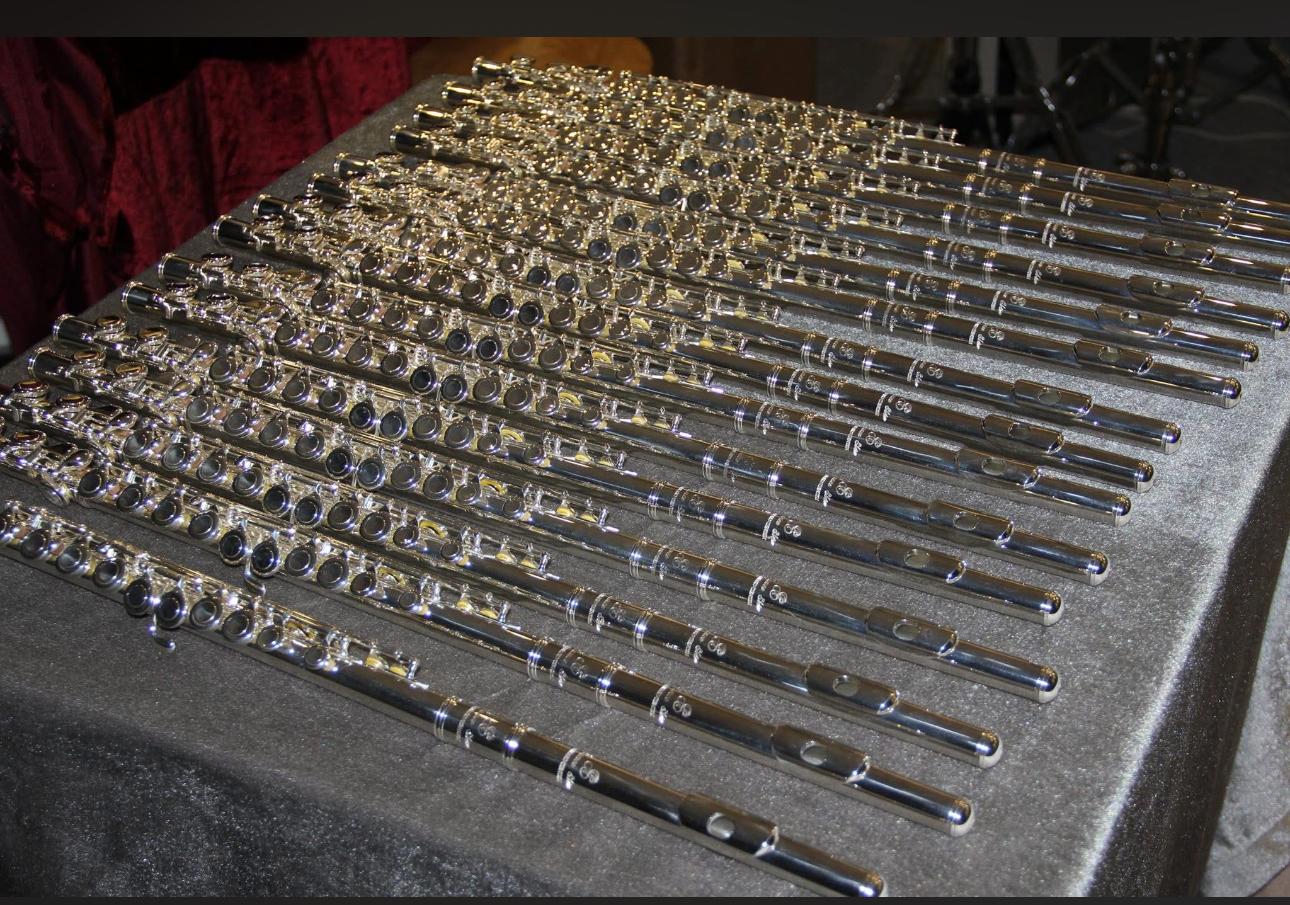
The Science of Sound: No Reed Required
To understand why material matters, you must first understand how the flute works. The flute belongs to the woodwind section, which also features the oboe, the clarinet, and the bassoon. However, the flute stands apart as the only instrument in this family that does not require a reed.
- Reed Instruments: The oboe and bassoon use a “double reed,” while the clarinet and saxophone use a “single reed.” The vibration of the reed against the mouthpiece creates the sound.
- The Flute Mechanism: The flute requires the player to blow directly into the aperture hole (embouchure) on the headjoint.
According to acoustic physics, when you blow air into the space, the vibration of that air changes kinetic energy into sound energy. As the air hits the inner side of the metal tube, it splits, creating the resonance we hear as music. Because the sound is produced by the column of air vibrating inside the metal tube (rather than a wooden reed), the material of that tube becomes critical to the tone quality.
Student vs. Professional Flute: Material Comparison
In the 18th century, the flute transitioned from wood to metal, revolutionizing its sound projection. Today, the primary distinction between a beginner model and a professional model lies in the metal composition. Below is a comparison to help you choose the right instrument.
| Feature | Student Model (Nickel Silver) | Professional Model (Sterling Silver) |
|---|---|---|
| Primary Material | Nickel Silver (often Silver Plated) | Sterling Silver (92.5%) or Britannia Silver (99%) |
| Weight & Feel | Lighter weight; easier for younger children to hold. | Heavier and denser due to higher silver content. |
| Sound Production | Designed for easy sound production; forgiving for beginners. | Offers a wider range of tonal colors but requires precise air control. |
| Maintenance | Durable plating resists tarnish better than solid silver. | Requires regular polishing and careful maintenance. |
Nickel Silver vs Sterling Silver Flute
Most student flutes are made of nickel silver.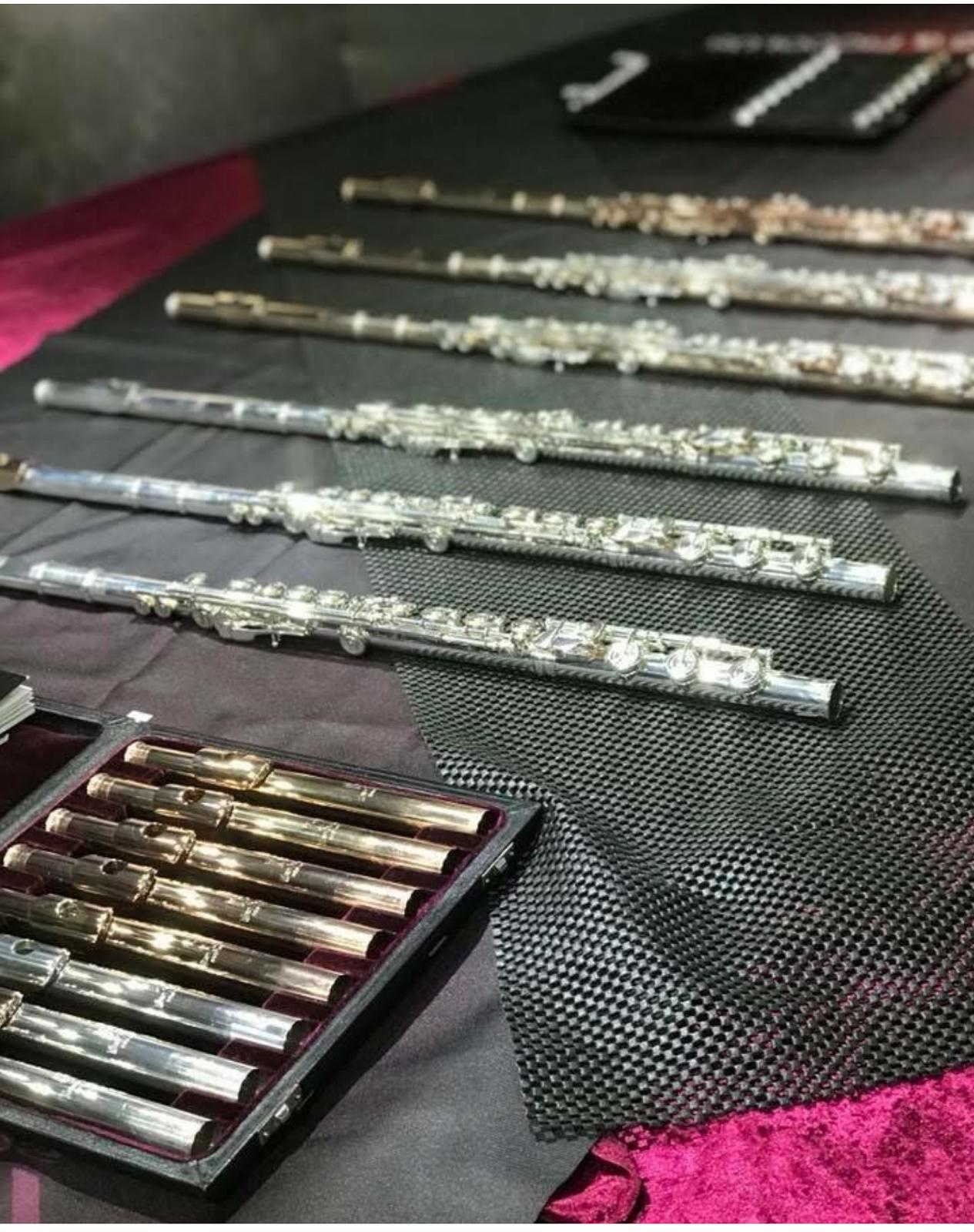
Conversely, professional models are made with Sterling silver (92.5% purity) or even Britannia silver (99% purity). The density of solid silver provides a darker, richer, and more complex sound, but it demands a more developed embouchure to control.
Mastering the Mechanics: Air & Embouchure
Regardless of the material, the flute is an instrument of pure aerodynamics. Since there is no reed to offer resistance, the player must create that resistance with their own body. This is why woodwind instruments without reeds are often considered unique in their training requirements.
Success on the flute comes down to two variables of air control:
- Volume (Dynamics): The volume of air controls the dynamic. More air makes the sound louder; less air makes the sound softer.
- Tone Quality (Intonation): The flute embouchure—the shape of the mouth and lips—determines the angle of the air. The angle at which the air is blown into the aperture hole determines the type of sound quality produced.
“All woodwind requires sophisticated air control… the angles of the air going into the aperture holes is a very important aspect of training.”
While it is easy to produce a basic tone on a student flute, developing perfect intonation requires time and patience. This is why a structured learning environment is vital; a student must learn to “transfer energy” efficiently from their breath to the instrument.
Our Recommendations & Related Resources
Choosing between a nickel silver or sterling silver flute depends entirely on the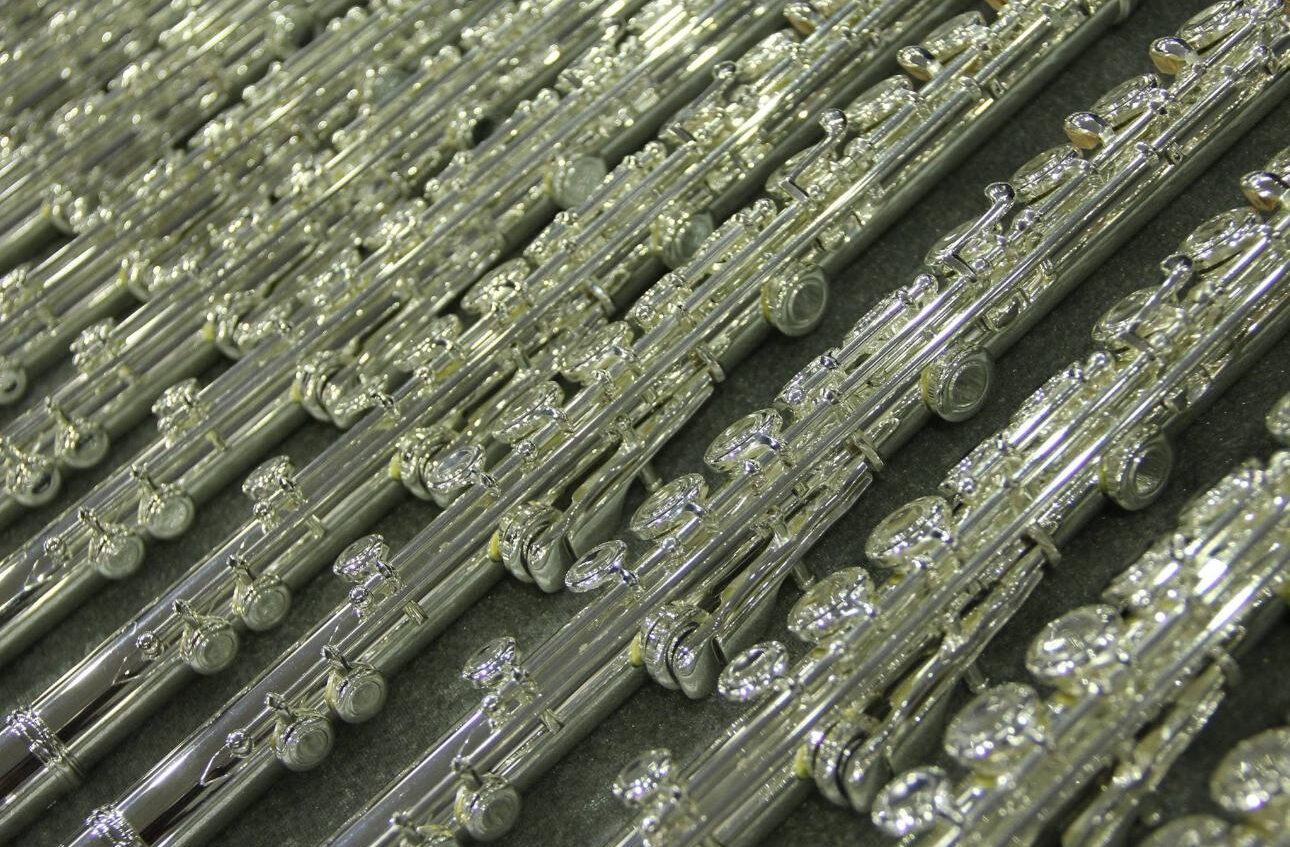 student’s stage of development. For a beginner (typically starting around age 9), a high-quality nickel silver student model is the industry standard. It allows the student to focus on the challenging aspects of air control without fighting the resistance of a heavy metal tube.
At Pure Orchestral Centre, we guide students through this transition, ensuring they have the right equipment for their skill level.
- Explore our music programs: 1 on 1 Music Programs
- Get advice on buying your first instrument: Contact Our Team
Ready to Start Your Musical Journey?
Whether you are looking for your first student flute or seeking professional training to master your air control, expert guidance makes all the difference.
Contact Pure Orchestral Centre today for a consultation on lessons and instrument selection.